A Professional Designer's Take on Bold & Easy Lazy Animals Graphics
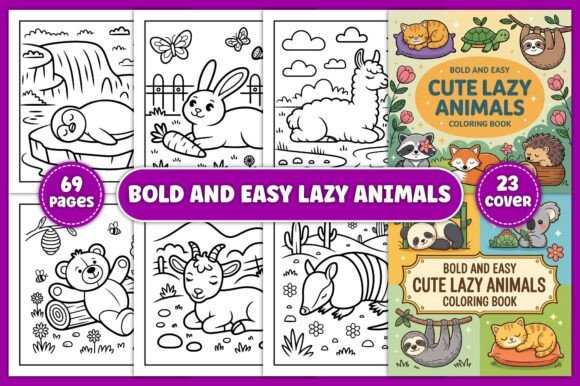
My first impression, upon reviewing the Bold and Easy Lazy Animals Coloring Book asset, was immediate clarity. This isn’t a set of intricate, overwhelming illustrations. It’s a collection built on a foundation of relaxed, approachable charm. The style leans into a modern, simplified hand-drawn aesthetic, where the bold outlines and soft, organic shapes create a visual mood of comfort and gentle whimsy. It feels inherently cozy, unfussy, and welcoming. From a designer’s standpoint, this signals a specific niche: projects aiming for an authentic, handmade, or boutique sensibility, often targeting audiences seeking a moment of calm or lighthearted connection.
The Right Project for This Relaxed Visual Tone
I envision this graphic design asset fitting seamlessly into client work for small businesses and creators who prioritize personality over polish. Imagine a local café launching a seasonal “slow living” campaign, an Etsy shop specializing in mindfulness journals and printable wall art, or a community event centered on wellness and crafts. The laid-back animals aren’t just clipart; they become visual ambassadors for a brand’s story. For a handmade soap company, a sleepy bear illustration on product labels or packaging details could perfectly echo the product’s natural, soothing promise. For a blogger focusing on self-care, these elements integrated into website graphics or Pinterest pins would visually reinforce the content’s core message without shouting.
Where These Illustrations Excel in Real Design Applications
In practical layout scenarios, the Bold and Easy Lazy Animals collection performs strongest in areas that allow its character to breathe. The bold lines translate exceptionally well to large-scale applications. Consider them for hero graphics on a landing page, focal points on posters or flyers for a cozy workshop, or as the central decorative element on merchandise like t-shirt designs, tote bags, and mugs. Their simplicity makes them ideal for product mockups, where they can adorn a digital ad for a printable product without competing with the product itself. As decorative accents within a themed collection—say, a series of social media graphics for a “lazy Sunday” promotion—they provide consistent visual threads. For Cricut projects, like sticker designs or sublimation designs, the clear outlines are a practical advantage, ensuring clean cuts and prints.
Furthermore, these assets can elevate supporting brand elements. They work beautifully as secondary visuals in editorial design for a lifestyle magazine, or as engaging icons within a Canva template designed for crafters. Their inherent charm boosts emotional appeal and audience engagement, making a brand feel more relatable and trustworthy to a community-oriented customer base.
Navigating Potential Limitations for Professional Results
As with any asset, professional use requires judicious application. The “bold and easy” style, while charming, necessitates careful consideration in certain contexts. In very small sizes—think tiny icons on a busy web footer—the details may become indistinct, losing their character. Avoid crowded layouts where these illustrations might clash with other complex graphical elements or text blocks. They are not suited for low-contrast designs; their power comes from their clear, defining lines.
This collection naturally diverges from minimalist branding or professional corporate materials. If a client’s project requires sleek, abstract, or very clean visual hierarchy, these illustrations would introduce a conflicting tone. They belong to projects where the brand identity itself is warm, narrative, and slightly playful. Using them on a complex, textured background could also diminish their impact, muddying those clean outlines.
Critical Designer Checks Before Client Deployment
Before integrating this asset into any paid client project, a series of practical tests is non-negotiable. First, verify the commercial license. Confirm it covers use in marketing visuals, packaging design, and print-on-demand products for your client’s business. Then, put the files through rigorous technical review.
- Scalability: Preview the graphics at both thumbnail size and full-bled print size. Does the integrity hold? If SVG files are included, inspect the vector editability for potential color changes or minor adjustments.
- Contrast & Adaptation: Test the designs in black and white to ensure they retain form. Place them on both light and dark backgrounds to check visibility.
- Print & Digital Mockups: Do not rely on the preview. Place the PNG designs (checking transparency quality if applicable) onto real product mockups—a mug, a t-shirt, a book cover. For printable designs like wall art, run a test print to evaluate line crispness.
- Typography Pairing: The style of these illustrations influences font choice. Compare them with various type styles. A friendly sans-serif or a gentle handwritten font will likely harmonize. A formal serif or a rigid display font might create visual discord. This affects overall readability and brand consistency.
These steps ensure the final design feels polished and professional, not just cute. The asset should enhance visual trust and recognition, not undermine it.
The Final Verdict: A Cozy Asset for Targeted Creative Projects
Ultimately, the Bold and Easy Lazy Animals Coloring Book is a specialized but potent digital product for the creative marketplace. It won’t suit every client brief, but for the right one, it’s a treasure. It provides a ready-made visual language of relaxation and charm, saving significant design time while offering cohesive, themed graphics. For designers servicing small business branding in the handmade, wellness, boutique, or craft sectors, this bundle can be a springboard for entire campaigns. It allows you to build a visual concept that feels intentional and complete, from the social media graphics to the packaging design. Its success hinges on the designer’s skill in applying it with strategic restraint and technical diligence, transforming a collection of lazy animals into a polished, professional commercial design asset that truly supports a brand’s story.