Bonus Mom Easter Retro Checkered Bunny: A Designer's Review
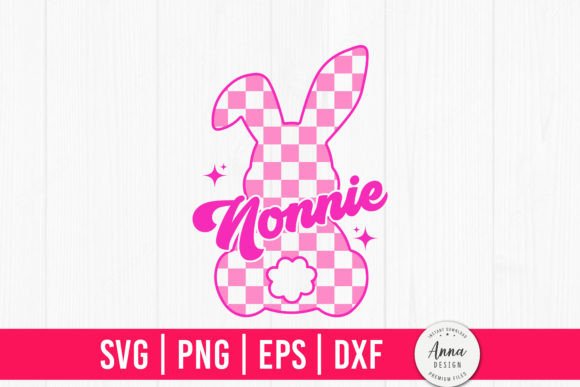
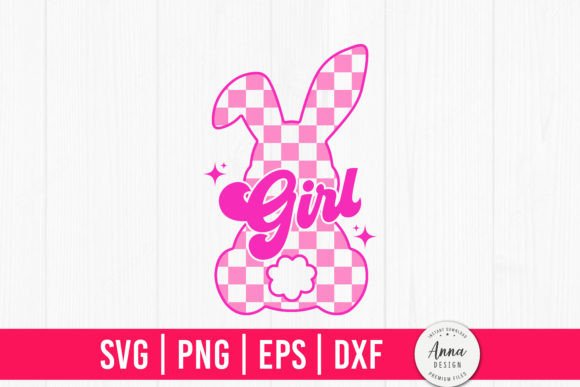
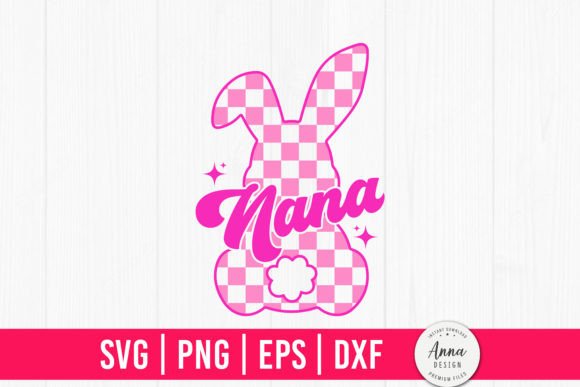
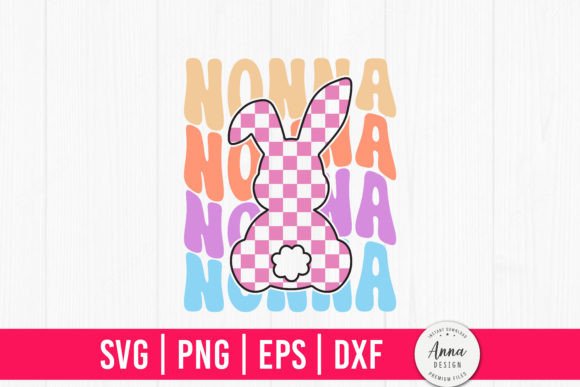
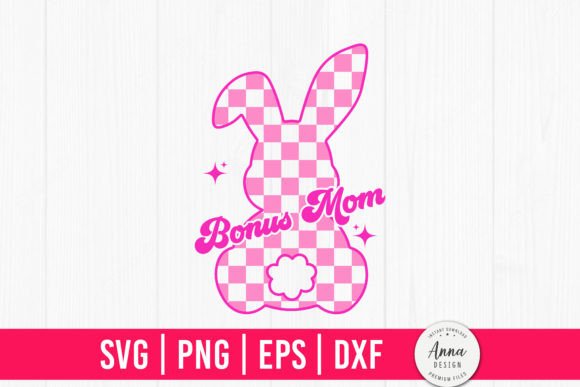
When a new design like the Bonus Mom Easter Retro Checkered Bunny hits my library, I don’t just look at the screen. I imagine it stitched out on fabric, held in hands, and given as a gift. My first impression here is pure nostalgic charm. The retro checkered pattern paired with a sweet bunny shape creates a warm, playful mood. It feels immediately giftable, especially for that special “Bonus Mom” figure. The layout is balanced, and the level of detail—from the checkered ears to the simple floral accent—suggests it will translate well into stitches without becoming overly dense or losing clarity.
Where This Bunny Finds Its Home
This design naturally belongs to projects where sentiment and style combine. I picture it embroidered on a cozy sweatshirt for a spring gift, or as a centered feature on a cotton tote bag. For a baby item, like a lightweight blanket or a nursery pillow cover, it would be adorable. As a small business owner preparing for Easter or spring markets, this bunny could become a key design for a line of embroidered tea towels, aprons, or simple patch sets. The “Bonus Mom” theme makes it perfect for personalized gifts, elevating it beyond a generic holiday motif. For an Etsy seller, it offers a ready-made asset for creating heartfelt, handmade merchandise that taps into a specific, loving relationship.
Considering the Stitching Reality
In real-life embroidery, the success of a design hinges on how it behaves in the hoop. With its checkered pattern and defined bunny outline, this embroidery file will rely on clean satin stitches for borders and likely fill stitches for the body. On a standard cotton or polyester blend for a sweatshirt or tote, I anticipate it will stitch out crisply. However, the checkered details, especially in smaller areas like the ears, need attention. On a textured fabric like a waffle-knit towel, those tiny checkered squares might lose definition if the stitch density is too high. On thin or stretchy fabrics, a sturdy stabilizer will be essential to prevent puckering around the filled areas.
Dark fabric is an interesting test. The design’s playful, light-hearted feel traditionally pairs with pastel or white backgrounds. Stitching it on a dark navy or black sweatshirt would require a bold thread color palette to maintain that retro cheerfulness, and you’d need to ensure the fill stitches are dense enough to prevent the fabric from showing through and dulling the colors. For curved surfaces like caps, the overall round shape of the bunny is favorable, but you’d want to test the placement to ensure the checkered pattern doesn’t distort on the curve.
The Professional Impact: Beyond the Stitches
Using a design like this affects more than just the project; it affects your customer’s perception. The clarity of the final embroidered product directly impacts its perceived value. A clean, sharp bunny on a tote bag looks professional and gift-ready, building trust with your client or customer. For a craft business, consistency matters—if this bunny is part of your spring lineup, its cheerful, retro personality should align with your other offerings to strengthen your brand’s visual voice. Its inherent “giftability” increases buyer engagement; people aren’t just buying a sweatshirt, they’re buying a meaningful present.
Spots for Extra Careful Hooping
Some applications require a more cautious approach. If you’re thinking of a very small hoop size for a delicate item, like a baby bib corner, the small checkered details and the lettering for “Bonus Mom” might become too fine, risking stitch overlap or loss of definition. Similarly, on fabrics that will undergo frequent washing, like kitchen towels, opting for a slightly simplified version or ensuring robust thread and stitch quality will help the design endure. For commercial embroidery projects where speed and consistency are key, testing the design’s stitch count and runtime on your specific machine will be important, though those exact details need to be confirmed from the file provider.
A Designer’s Practical Notes Before You Stitch
Before I commit any design to a client’s project or my own shop inventory, I run through a checklist. For the Bonus Mom Easter Retro Checkered Bunny, I would strongly advise testing it on scrap fabric first. Use the same material you plan for the final product. This reveals how the checkered fill interacts with the fabric texture and whether the thread colors you’ve chosen provide enough contrast.
Check the stitch density in your embroidery software preview; overly dense areas can make the design stiff. Confirm your intended hoop size accommodates the entire design without cramping the edges. Inspect the small details—the flower and the checkered ears—in your test run to ensure they stitch cleanly. It’s also wise to create simple black and white mockups to see how the shape reads without color, and compare how it looks on both light and dark fabric backgrounds in your digital preview.
Always use the proper stabilizer for your chosen fabric; this is non-negotiable for professional results. Finally, and crucially, check the licensing terms provided with this digital embroidery file. Understand whether it’s cleared for both personal and commercial projects before you sell finished items or incorporate it into digital products like printable mockups for your shop. This protects your business and respects the designer’s work.
Ultimately, the Bonus Mom Easter Retro Checkered Bunny strikes me as a design with strong emotional appeal and straightforward embroidery potential. It’s not just a graphic; it’s a starting point for creating something tangible and special. By approaching it with a practical, tester’s mindset, you can transform this digital file into a beautiful, professional finished product that truly resonates.