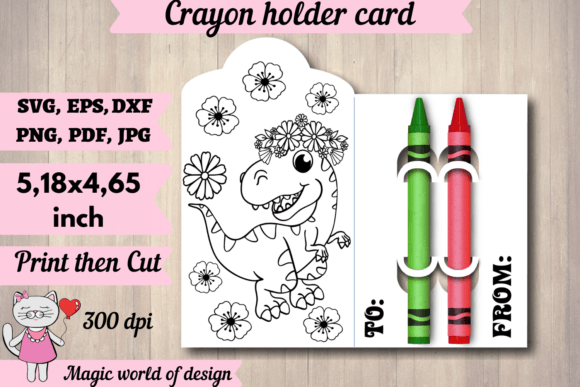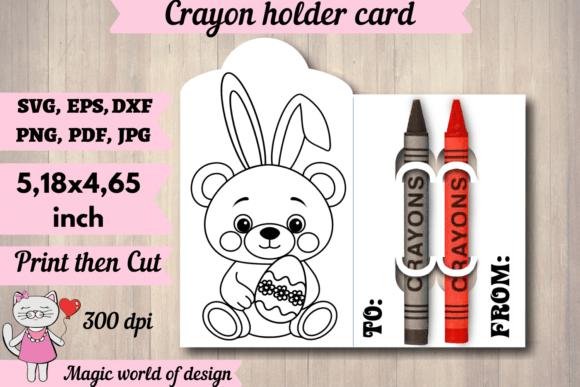
Essential Crafts Graphics: Bunny Bear Crayon Holder
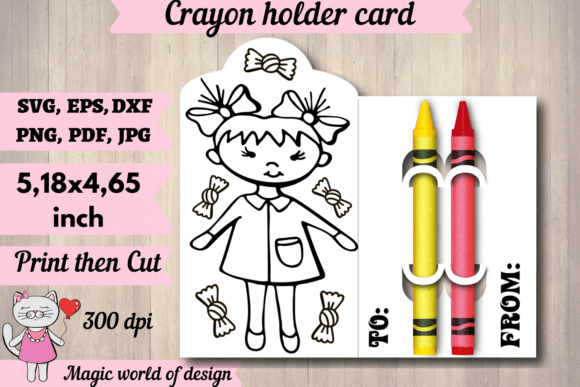
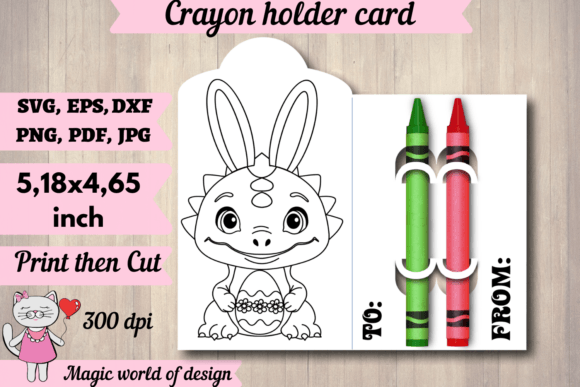
When a client project lands on my desk, my first filter is immediate impression. Does the design asset click, or clash? Opening the Bear in Bunny Ears, Crayon Holder Card, the mood is instantly playful, yet structured. This isn't chaotic clipart; it’s a contained, purposeful graphic. The concept—a bear whimsically adorned with bunny ears holding crayons—speaks directly to a crafted, hands-on aesthetic. It feels like it belongs to a world of handmade business branding, where charm and utility intersect.
Where This Graphic Design Asset Finds Its Home
For a recent client—a small business launching a line of Easter-themed craft kits for children—this asset became a cornerstone. The specific dimensions, roughly 5 by 4.5 inches, make it ideal for printable designs meant for cutting machines like Cricut. This isn't just a graphic; it’s a ready-to-use component. In our project, we deployed it across product labels for the kits, as a central motif on packaging design, and as the hero visual for social media graphics announcing the launch. It translated seamlessly into Canva templates for the client's community posts and became a decorative accent on the instruction sheets.
Its Strengths in Real-World Design Situations
This SVG design, assuming it’s vector-based, shines in scalable applications. For t-shirt design and merchandise like tote bags or mugs, the clean lines and bold shapes ensure print quality remains sharp. As a sticker design, it’s perfect. The defined edges and contained composition prevent bleeding or visual clutter when cut. In marketing visuals—think Pinterest pins or Instagram posts promoting a seasonal campaign—it acts as an immediate emotional hook. The imagery fosters engagement, appealing directly to parents, crafters, and educators looking for fun, thematic activities.
It excels as a supporting brand element for businesses built on creativity. Imagine an Etsy shop specializing in printable party supplies. This card graphic could anchor a whole collection: invitations, treat bag tags, and activity sheets. Its inherent narrative—a coloring card holder—provides a clear use-case, boosting visual trust. Customers immediately understand the product's function.
Navigating Potential Pitfalls: A Designer's Checklist
However, professional use demands scrutiny. This is not a minimalist asset. In crowded layouts—a flyer crammed with text and multiple images—its detailed character could compete poorly with other elements, harming visual hierarchy. At very small sizes, perhaps as a tiny icon on a website, the bunny ears and crayon details might lose definition. I always test such assets on both light and dark backgrounds. If the PNG version lacks a crisp, clean transparency edge, it will look amateurish superimposed on a product mockup.
For professional corporate materials or projects requiring a sleek, modern design, this asset would be a mismatch. Its style is distinctly whimsical and craft-oriented. I also advise comparing it against your project’s font styles. Paired with a clean sans-serif font, it can create a delightful contrast. But placed next to a competing script or handwritten font, the layout might feel overly busy or thematic.
The Impact on Brand Consistency and Audience
Integrating a graphic like the Bear in Bunny Ears, Crayon Holder Card into a broader brand identity requires careful alignment. It strongly communicates playfulness, creativity, and seasonal celebration. For a brand aiming for that tone, it reinforces consistency beautifully. For a brand with a more serious core message, it could create a confusing dissonance. Its emotional appeal is high for niche audiences—crafters, digital sellers focusing on kids' activities, bloggers creating DIY content. This engagement is its commercial power.
The final impression it lends a project is polished if it’s used intentionally. A local event poster for an Easter egg hunt using this as the main graphic feels cohesive and professionally themed. A blog visual about spring crafts feels instantly more inviting. It elevates a project from generic to specifically charming.
Practical Notes Before Client Deployment
- Test in Black and White: How does it hold up if color isn't an option? Does the form remain clear?
- Preview at Scale: Blow it up for a poster, shrink it for a label. Check for lost detail or awkward empty space.
- Place on Real Mockups: Drop the PNG onto a photo of a mug, a t-shirt template, a packaging box. Does it sit naturally?
- Review File Formats: Confirm you have the right file—SVG for editable, scalable commercial design; high-res PNG for easy digital use.
- Confirm Licensing: Absolutely verify the commercial license allows use for your client's business, be it print-on-demand products or physical goods for sale.
In conclusion, the Bear in Bunny Ears, Crayon Holder Card is a specialist asset. It won't fit every project in your portfolio, but for those clients in the crafts space, the seasonal niche, or the handmade business realm, it’s a potent tool. It provides a ready-made visual story that, when applied with design judgment, can make a client's vision feel tangible, engaging, and market-ready. As a graphic designer, my value is in matching such assets to the right context, and this one, with its playful utility, earns its place in the toolkit for the right brief.