Minimal Art Bold and Easy: An Embroiderer's Review
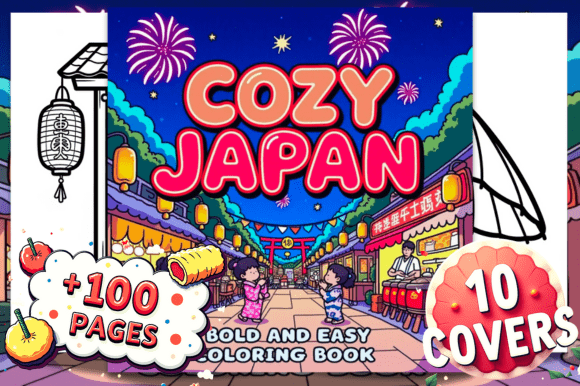
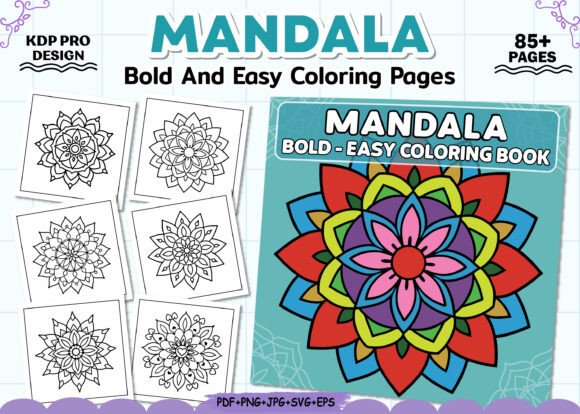
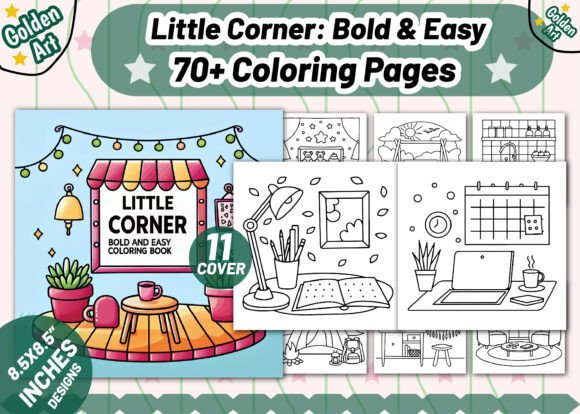
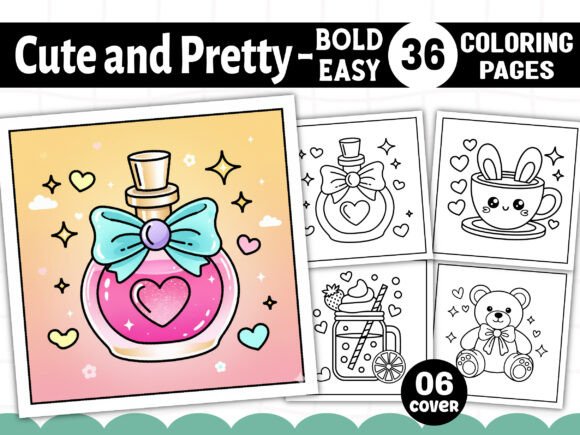
When a new design lands in my digital library, my first instinct isn’t just to admire it on screen. I immediately picture it translated into thread and fabric. With the Minimal Art Coloring Book Bold and Easy, that mental translation started instantly. This isn't merely a graphic; it’s a blueprint for stitching with a distinct, modern attitude.
The Immediate Mood: Clean Confidence
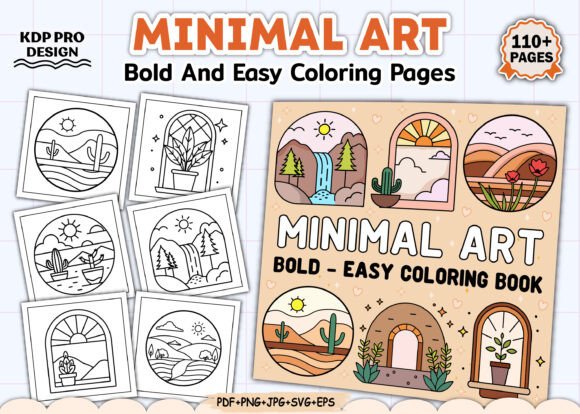
Opening these files, the impression is one of clean, confident simplicity. The "bold and easy" descriptor is accurate—the lines are assertive, the shapes are uncomplicated, and the overall layout feels open and graphic. There’s a playful, almost Scandinavian personality here. It doesn’t whisper; it declares. For an embroidery designer, this suggests a project that won’t fight you. The minimal detail level means we’re working with clear outlines and generous fill areas, which is a gift for stitch planning.
A Perfect Match for Statement Goods
I envision this design thriving on products where the statement is the product itself. Think of a premium canvas tote bag for a boutique, a crisp cotton apron for a modern kitchen, or a heavyweight sweatshirt for a lifestyle brand. The bold lines would translate beautifully into crisp satin stitch borders and confident fill stitch areas, creating a high-value, handmade presentation. I can already picture it on a nursery pillow cover—the simplicity would be charming and safe, without overwhelming a baby’s space with fussy detail.
Where It Shines in Real Projects
Let’s walk through a real scenario. I’m preparing a custom embroidered tote as a wedding gift for a client who loves modern art. Using Minimal Art Coloring Book Bold and Easy, I select a geometric floral motif from the collection. On my screen, it’s a flat black outline. In my mind, it’s already stitched in a contrasting charcoal thread on off-white canvas. The bold lines ensure the design remains legible and impactful from a distance, which is crucial for a bag that will be carried and seen in motion. The ease of the shapes means the stitch density can be managed without puckering the sturdy fabric, and the overall time on the machine is efficient—a real plus for a craft business balancing quality with turnaround.
This aesthetic would also excel in embroidered patches, applied to denim or knitwear. The graphic nature lends itself to being treated almost like an applique, with the fill stitches creating solid, colorful shapes. For an Etsy seller creating personalized gifts, like a monogrammed tea towel using a motif from this set, the clarity of the design builds customer trust. It looks professional, intentional, and gift-ready, not homemade in a hesitant way.
Careful Considerations for Stitching Success
While the design is "easy," our embroidery process must still be thoughtful. Bold lines are forgiving, but they require attention in certain contexts. On highly textured fabrics, like a thick sweater, the clean edges might soften slightly—a charming effect for some projects, but something to test first. On small hoop sizes, perhaps for a baby embroidery on a tiny hat, the largest motifs might need scaling down to maintain integrity; the minimal style should scale well, but always check those small details on scrap fabric first.
The most crucial note here concerns stitch density. Those generous, open shapes are perfect for fill stitches, but on lightweight or stretchy fabric—a t-shirt, for instance—a dense fill could stiffen the material. This might be a design better suited for a tote bag or pillow cover than a delicate tee. Always pair it with the proper stabilizer and consider a lighter fill pattern if adapting it for thinner materials. Similarly, on dark fabric, the choice of thread color contrast is paramount. These bold shapes need light, vibrant threads to pop against a dark background.
The Professional Designer's Checklist
Before this design goes into any real project, my practical steps are always the same:
- Test a representative motif on the exact scrap fabric I plan to use.
- Check thread color contrast in both light and dark fabric mockups, even if just digitally.
- Review the actual stitch density output from my machine on that test piece.
- Confirm the physical hoop size needed fits the product area comfortably.
- Inspect how the smallest elements (like tiny interior corners) stitch out.
- Verify the licensing terms for the embroidery file to ensure it’s clear for both personal gifts and commercial embroidery projects for my small shop.
Elevating the Finished Product
Using a design like Minimal Art Coloring Book Bold and Easy does more than decorate a item. It elevates the perceived value. For a creative entrepreneur, it offers brand consistency—you could build a whole line of kitchen towels, aprons, and totes with a cohesive, modern look from this collection. Its giftability is high because it feels contemporary and thoughtful. For customer engagement, especially in online listings using printable mockups, the bold graphics are instantly recognizable and appealing, even in small preview images.
Ultimately, this collection feels like a set of reliable design assets. They provide a strong foundation. The "coloring book" aspect suggests an invitation to play—to choose your own thread colors, to mix and match motifs, to create a truly unique interior for your product line, just as the description says. As a designer who moves from digital file to physical thread every day, that’s exactly what I want: a design that gives me confidence on screen and translates with clarity and impact into the real, stitched world.