Cousin Easter Leopard Bunny: An Embroidery Designer’s Real-World Review
Every designer knows the moment: you download a new file, open it, and immediately start imagining it stitched out. That’s exactly where I found myself with the Cousin Easter Leopard Bunny. This isn’t a critique of the digital file on its own—it’s a practical judgment of how this design will translate into a real, tangible, embroidered product.
The First Impression: Vintage Playfulness
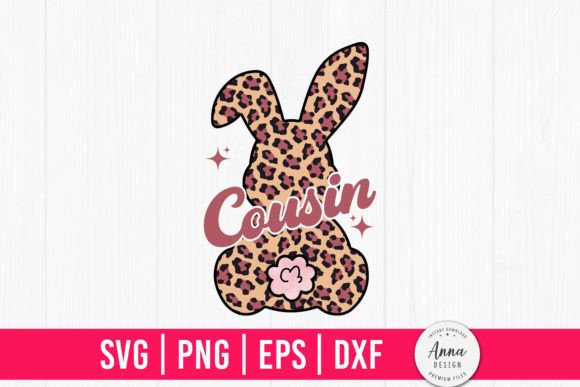
The Cousin Easter Leopard Bunny hits you with a specific mood. It’s retro, undeniably cute, but with that leopard print twist that adds a wink of personality. The shape is classic—a friendly bunny outline—but the detail level in that pattern suggests a project that’s going to be about texture and playfulness, not just a simple silhouette. It feels like it belongs on something meant to spark a smile, a piece that blends holiday charm with a bit of contemporary edge.
Where This Design Finds Its Home
I immediately pictured this on a custom embroidered tote bag for a spring market. The scale feels right—it’s substantial enough to be a focal point but not overwhelmingly large. For a small business owner creating boutique baby items, it would be a charming addition to a lightweight hoodie or a nursery pillow cover, offering a gentler alternative to typical pastel Easter themes. As an apparel decorator, I’d consider it for a relaxed-fit sweatshirt; the design’s personality aligns perfectly with casual, personality-driven wear.
The “cousin” aspect and the retro styling also make it a strong candidate for personalized gifts, like a monogrammed tea towel or a family-name blanket. It carries a handmade presentation that feels intentional and crafted, which boosts perceived value. For an Etsy seller stocking holiday merchandise, this embroidery file could anchor a whole line of spring products—from caps to aprons—creating nice brand consistency across your shop.
The Real-Life Embroidery Scenario: A Custom Tote Bag
Let’s walk through a real case. You’re preparing a custom embroidered tote bag for a client who loves unique, conversation-starting pieces. You hoop your canvas fabric, select your threads—perhaps a crisp white for the bunny, bold colors for the leopard spots—and run the machine embroidery design.
Here’s where the practical thinking kicks in. The leopard print detail, while delightful, will be about stitch density. On a textured fabric like canvas, a dense fill stitch for the spots will look rich and substantial. However, you’ll want a good stabilizer to prevent puckering, especially if the design area is sizable. The clarity of the bunny’s outline, likely executed with a satin stitch or a clean running stitch border, will define the entire piece’s professionalism.
After stitching, you evaluate. The finished product has visual appeal because the theme is coherent and executed with clean edges. It feels giftable, it has recognition (it’s clearly an Easter bunny, but not a cliché one), and for your client or a customer, it engages because it’s fun and well-made. That trust in the handmade product is solidified by the design’s execution.
Caution Zones and Considerations
Not every project is ideal. For the Cousin Easter Leopard Bunny, I’d proceed carefully on very small hoop sizes. Those intricate leopard spots could lose definition if minimized too much, becoming a muddy texture instead of a clear pattern. Similarly, on highly stretchy fabric like a thin t-shirt, without proper stabilization and possibly adjusting stitch density, the design could distort.
Dark fabric backgrounds require thoughtful thread color contrast. The classic retro palette implied might need tweaking—a white bunny on a black sweatshirt is striking, but the spots need to pop, not disappear. Embroidering on curved surfaces like caps demands checking the design layout to ensure it fits the curvature without awkward gaps in the fill areas.
And for products destined for frequent washing, like baby clothes or kitchen towels, testing the stitch integrity on scrap fabric first is non-negotiable. A dense design can hold up beautifully, but you need to know before committing to a client project.
Essential Designer Notes Before You Stitch
My routine before any commercial embroidery project applies here. First, test the Cousin Easter Leopard Bunny on a scrap of your intended fabric. This reveals everything: how the thread colors interact, whether small details stitch cleanly, and the actual required hoop size.
Create black and white mockups, and compare how it looks on both light and dark backgrounds in your software. This isn’t just about aesthetics; it’s about stitching clarity and planning your resource.
Finally, and crucially, confirm the licensing. As a designer selling finished products or a digital product seller offering customized versions, you must know the rules. The product description notes it’s a digital file for cutting machines and a sublimation design, but for embroidery use, especially selling the embroidered result, verify the terms. Never assume.
The Impact on Your Craft Business
Choosing a design like this isn’t just a creative choice; it’s a business one. For a creative entrepreneur, it affects buyer engagement. It’s a design that tells a story, which helps in Etsy listings or craft fair displays. It elevates a simple embroidered patch or pillow cover into a themed product, increasing its marketability.
As a print template or graphic asset, its versatility as a guide for applique designs or combined techniques is valuable. But in the embroidery world, its success hinges on translation—from digital graphic to physical stitches. The Cousin Easter Leopard Bunny, with its strong shape and playful detail, has the foundation to make that translation a success, resulting in a finished product that feels both charming and professionally crafted.
Approach it with practical preparation, and it can become a reliable asset for your holiday embroidery, personalized gifts, and small shop merchandise. Just remember: the file is the blueprint; your skill and forethought turn it into a product people will love to hold, wear, and give.